
















Why this question matters now
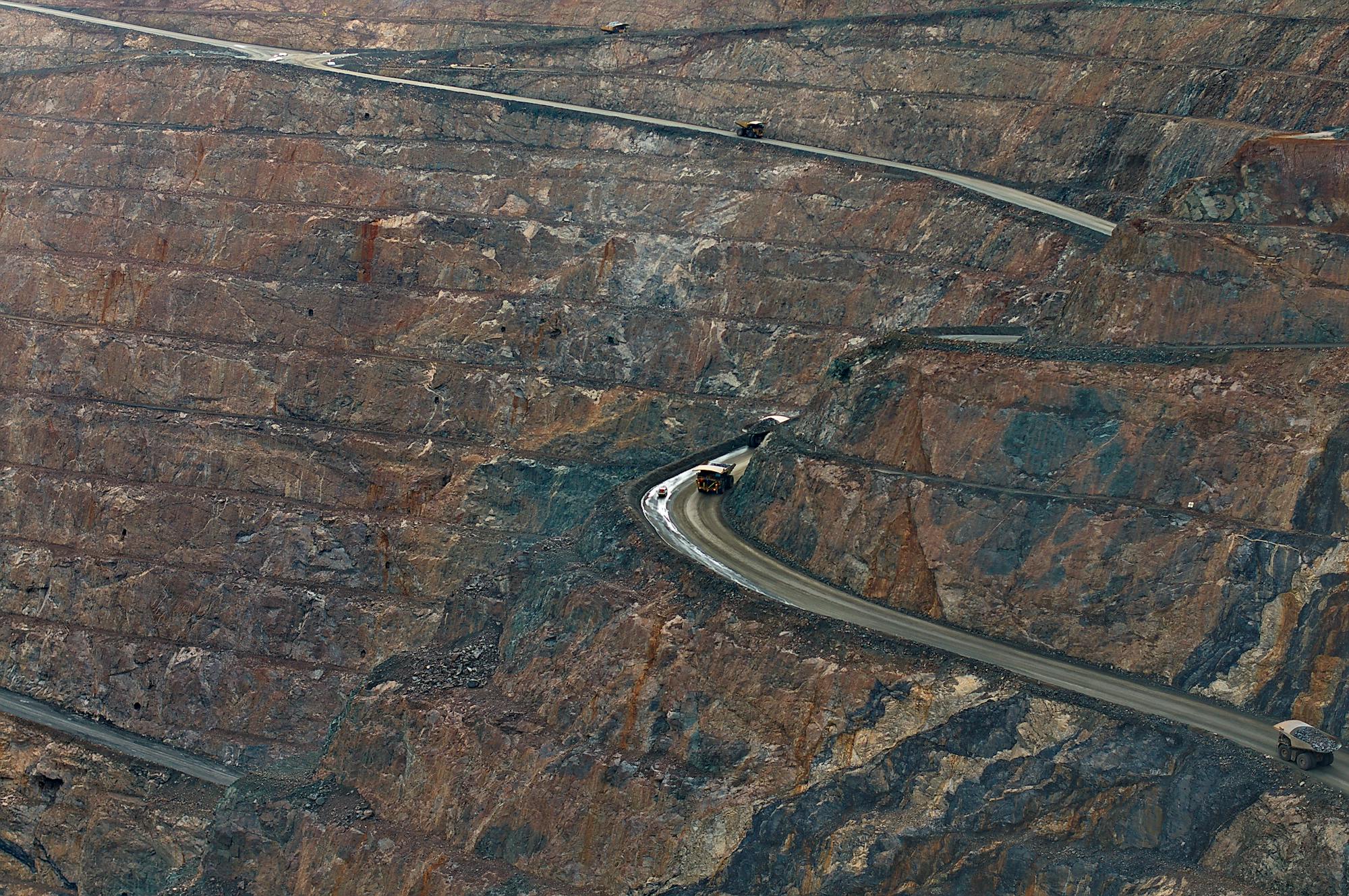
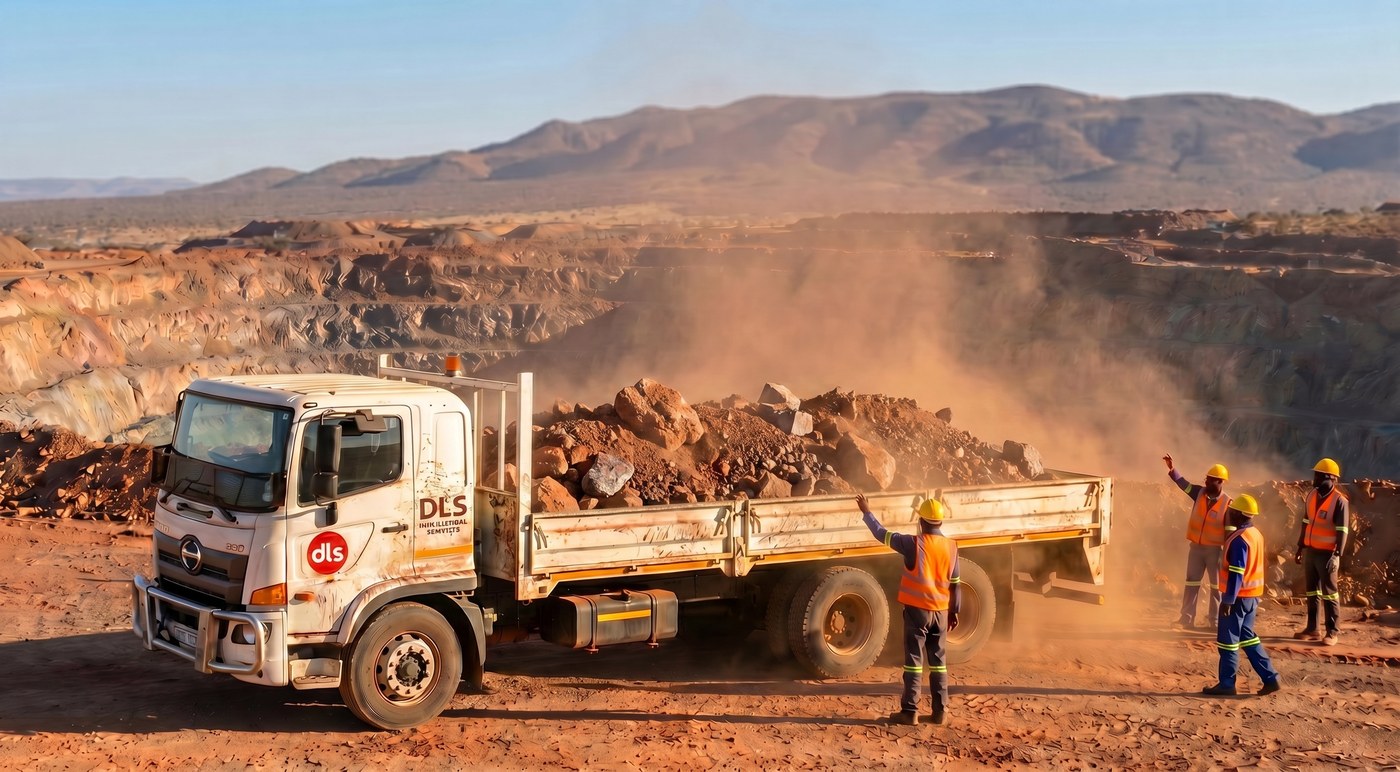
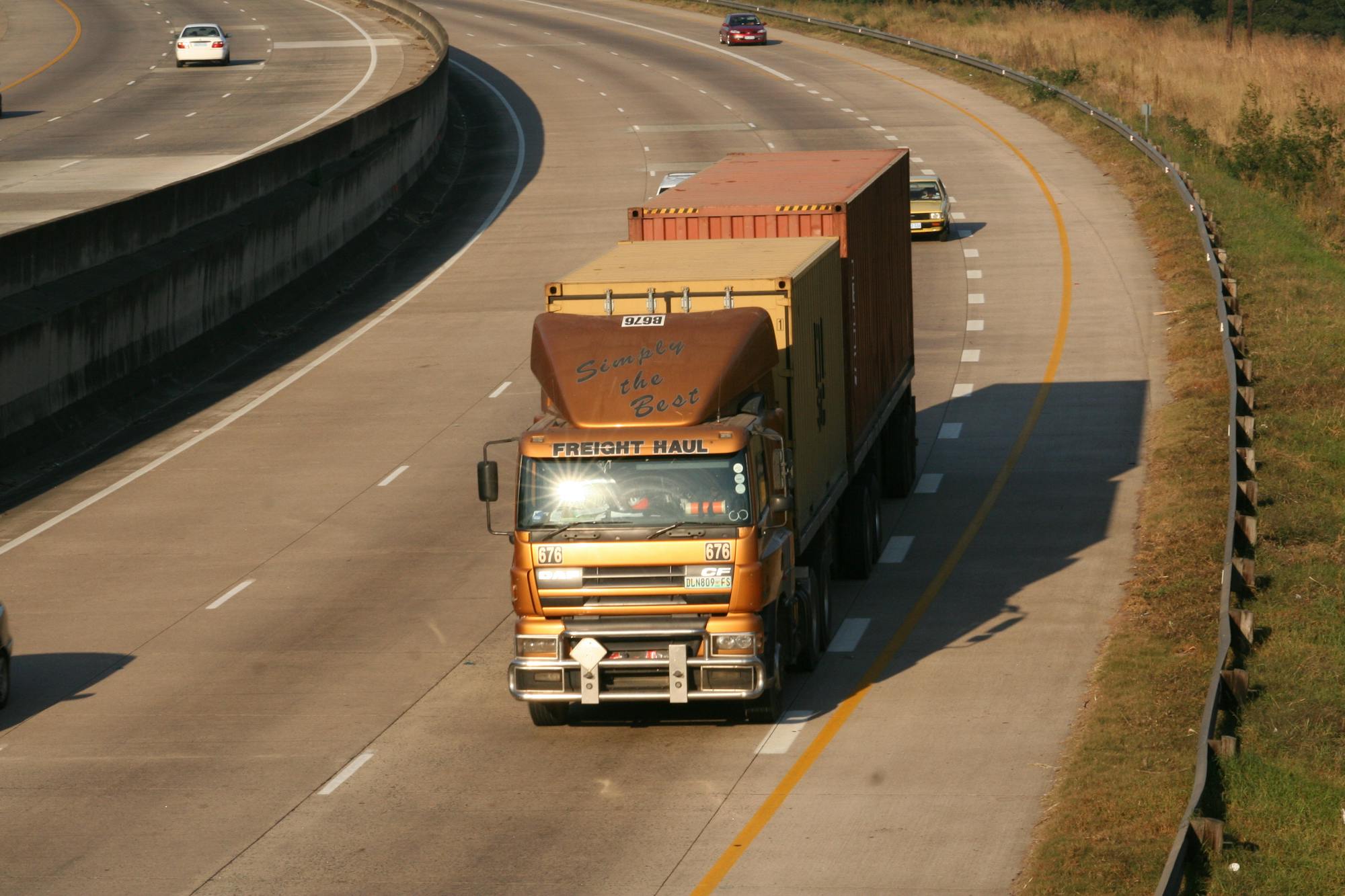
Zambia produced 890,000 tonnes of copper in 2025, an 8 percent year on year increase, and has set a national target of 3 million tonnes by 2031. Every tonne moves by road for the first leg of its export journey. For decades the default export route was Durban via Lusaka and either Harare or Lilongwe, then down through Mozambique or directly through South Africa. That default was set when Walvis Bay was a smaller port and the Trans-Caprivi corridor was less developed. The default is now out of date for a large share of shippers.
Distance and transit time
For an exporter in Ndola or Kitwe, the road distance to Walvis Bay is roughly 2,200 kilometres. The road distance to Durban is closer to 2,800 kilometres. Transit time on the Walvis Bay corridor runs about 12 days end to end including border processing at Kasumbalesa or Trans-Caprivi depending on the originating mine. Durban runs longer in normal conditions and materially longer when border posts at Beitbridge or Chirundu congest, which they do regularly during peak export periods. For a shipper running contracted vessel schedules, predictability of transit time is often more valuable than the headline transit number.
Port capacity and dwell time
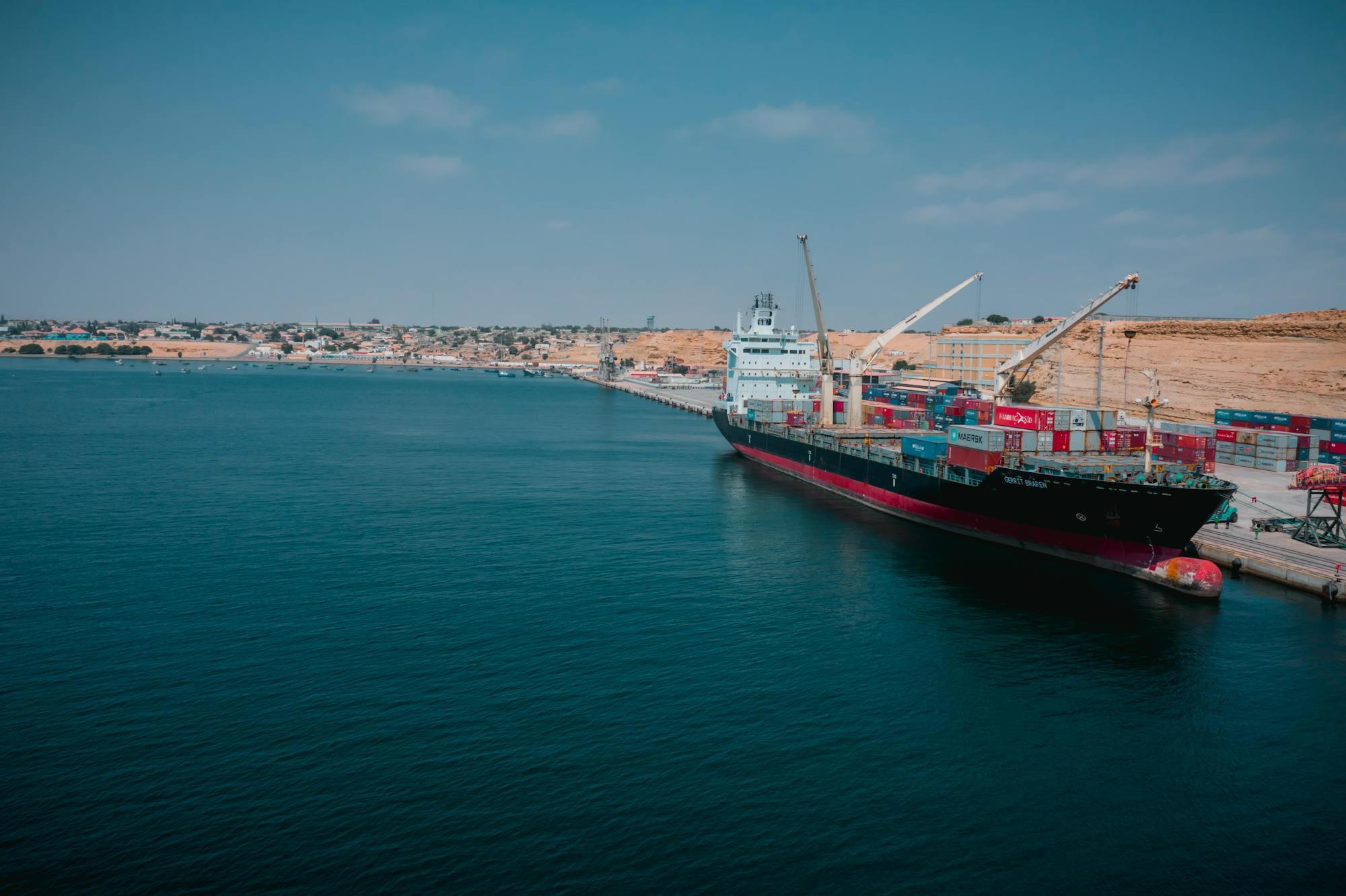
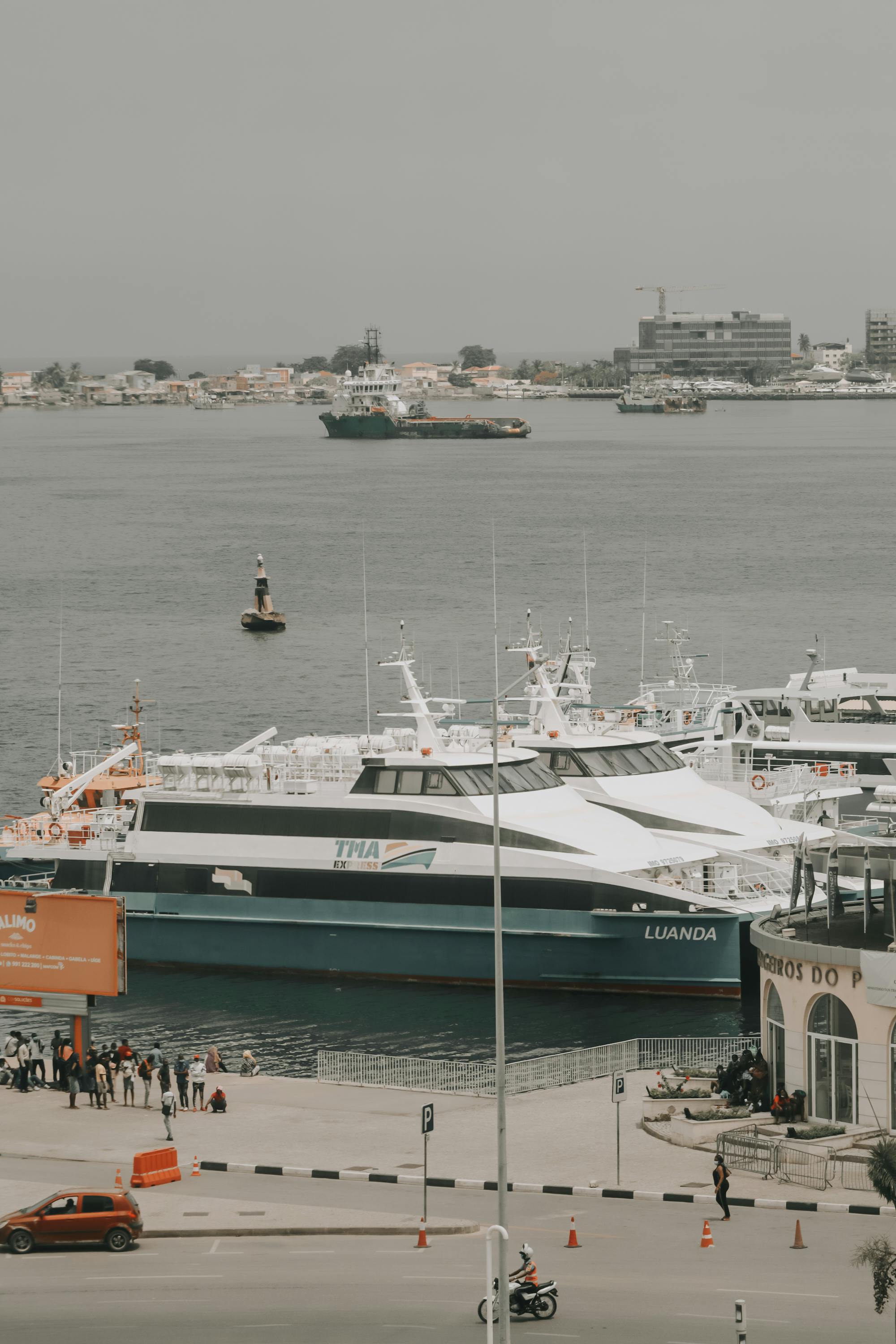
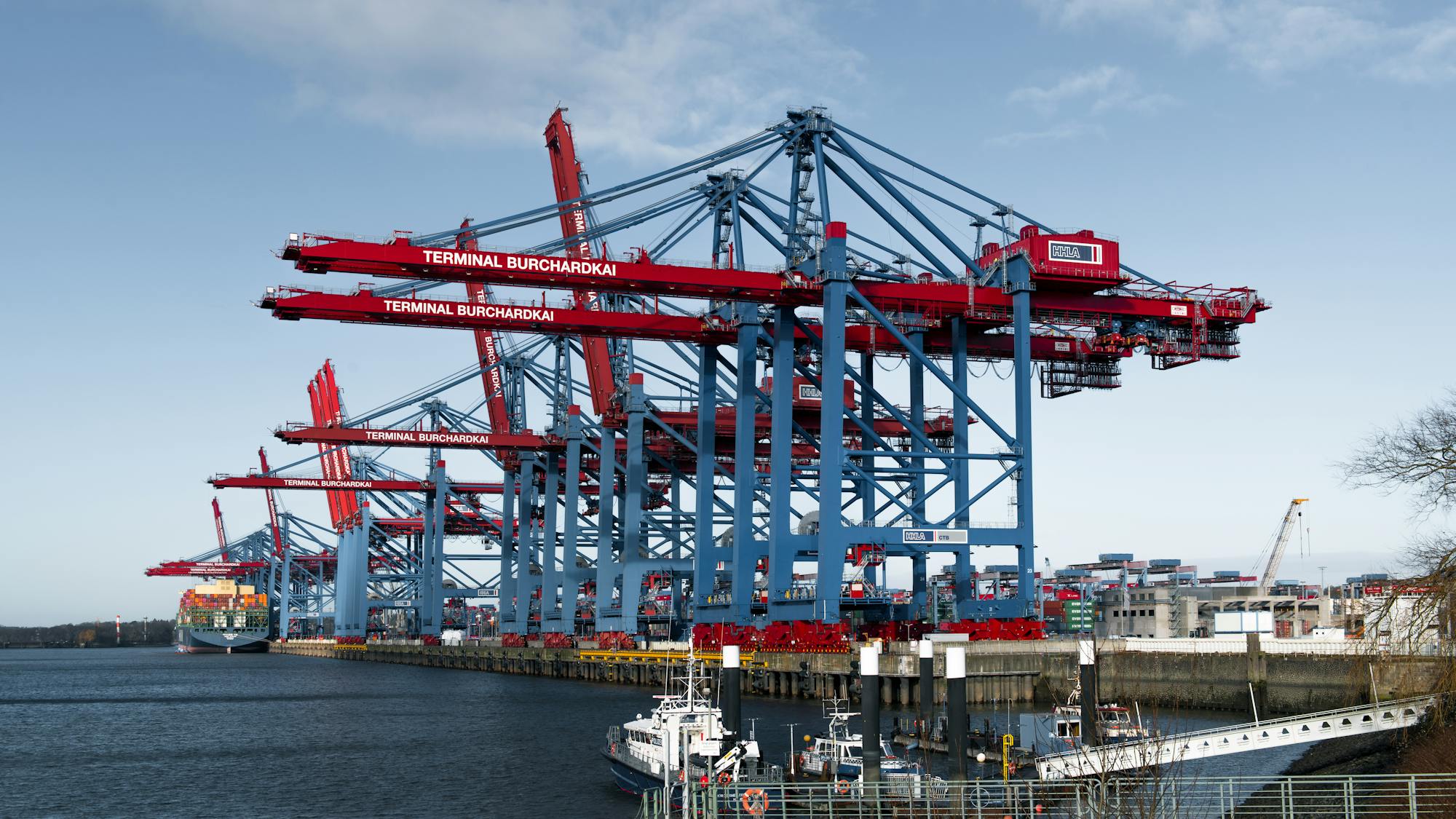
Walvis Bay handled 8.42 million tonnes in FY2025 and is structured around bulk and project cargo with relatively short vessel turnaround times. Durban handles more total throughput but with materially longer berthing queues and a more complex inland logistics environment. For a copper cathode shipper measuring landed cost into a buyer's smelter or warehouse, dwell time at the port is a real line item, not a footnote. Walvis Bay's deep water access and direct ocean route to Asian and European smelters compresses the seaborne leg of the journey as well.
Cost and risk
Trucking rates are broadly comparable on a per kilometre basis across the two corridors. The differentiator is the cost of capital tied up in cargo that has not reached the buyer, the cost of insurance escalations on longer routes, and the cost of revenue loss from corridor delays. The Walvis Bay corridor passes through three jurisdictions (Namibia, Botswana and Zambia) with predictable customs processes and minimal recent disruption. The Durban corridor depends on multiple ports, multiple border posts and political dynamics that have produced multi week disruption events more than once. For shippers running contracted delivery schedules with European or Chinese buyers, single event disruption risk has a real financial weight.
What to ask a freight provider on this route
Five questions distinguish a corridor specialist from a generalist quoting on the route. First, does the provider own and operate the fleet, or subcontract on the corridor? Second, what is the provider's average actual transit time over the past 12 months, not the marketing number? Third, which border posts has the provider cleared cargo through, and how recently? Fourth, what is the provider's fleet allocation to the route, in vehicles and trailers? Fifth, what is the provider's insurance structure for cross border cargo, including transit cover and named perils? Generalists struggle on all five. Specialists answer all five with operational data.
The DLS position
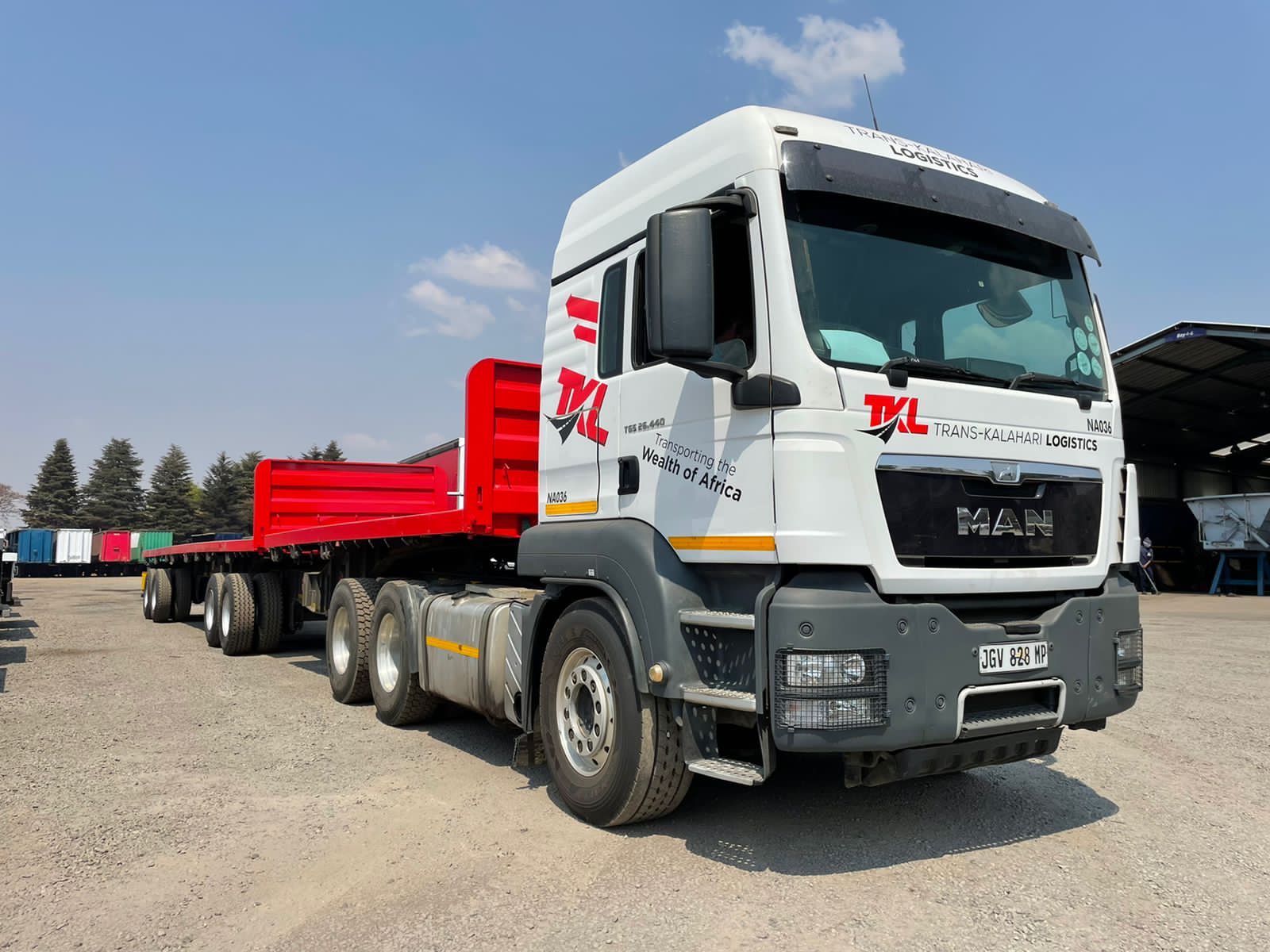
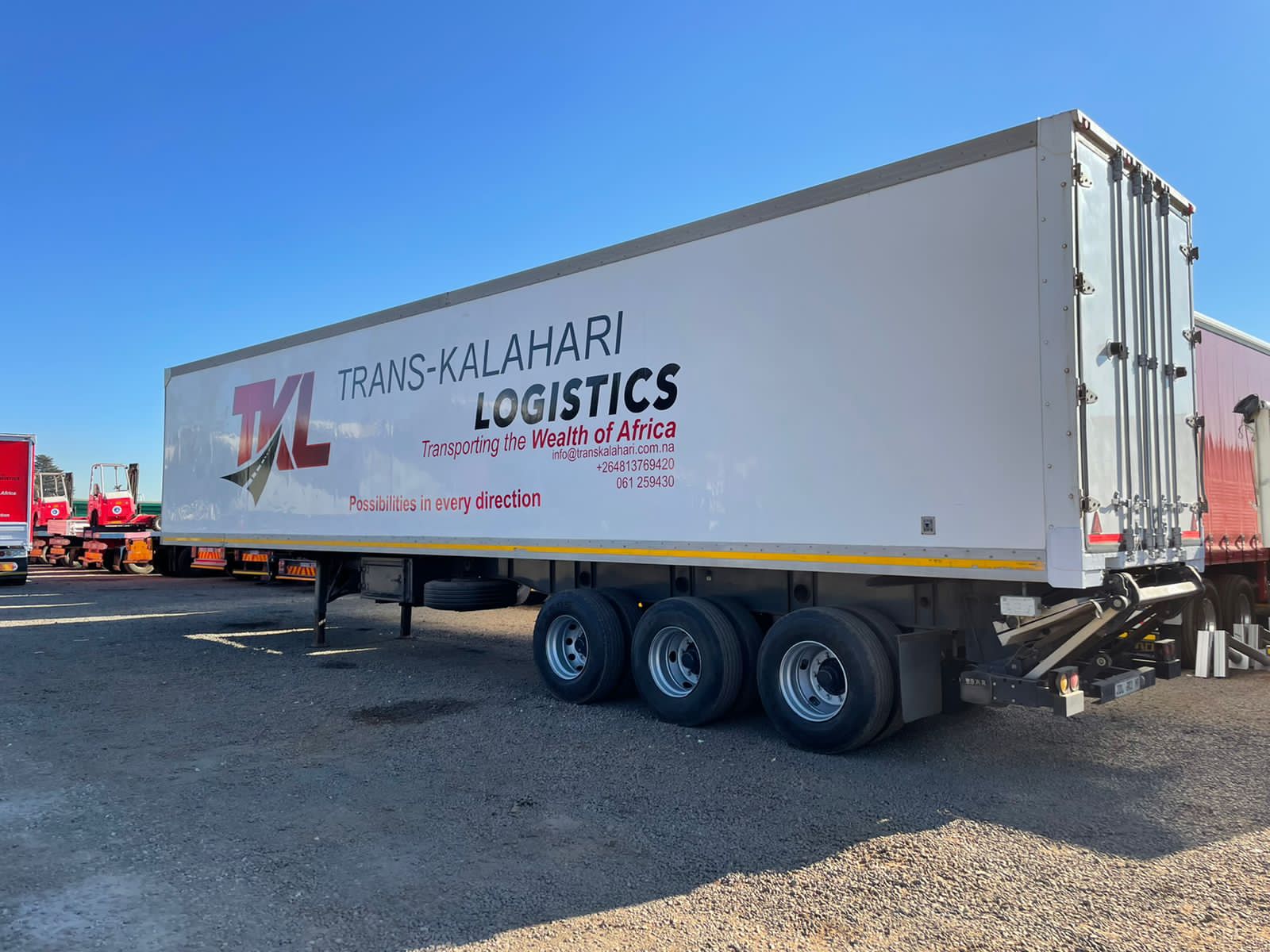
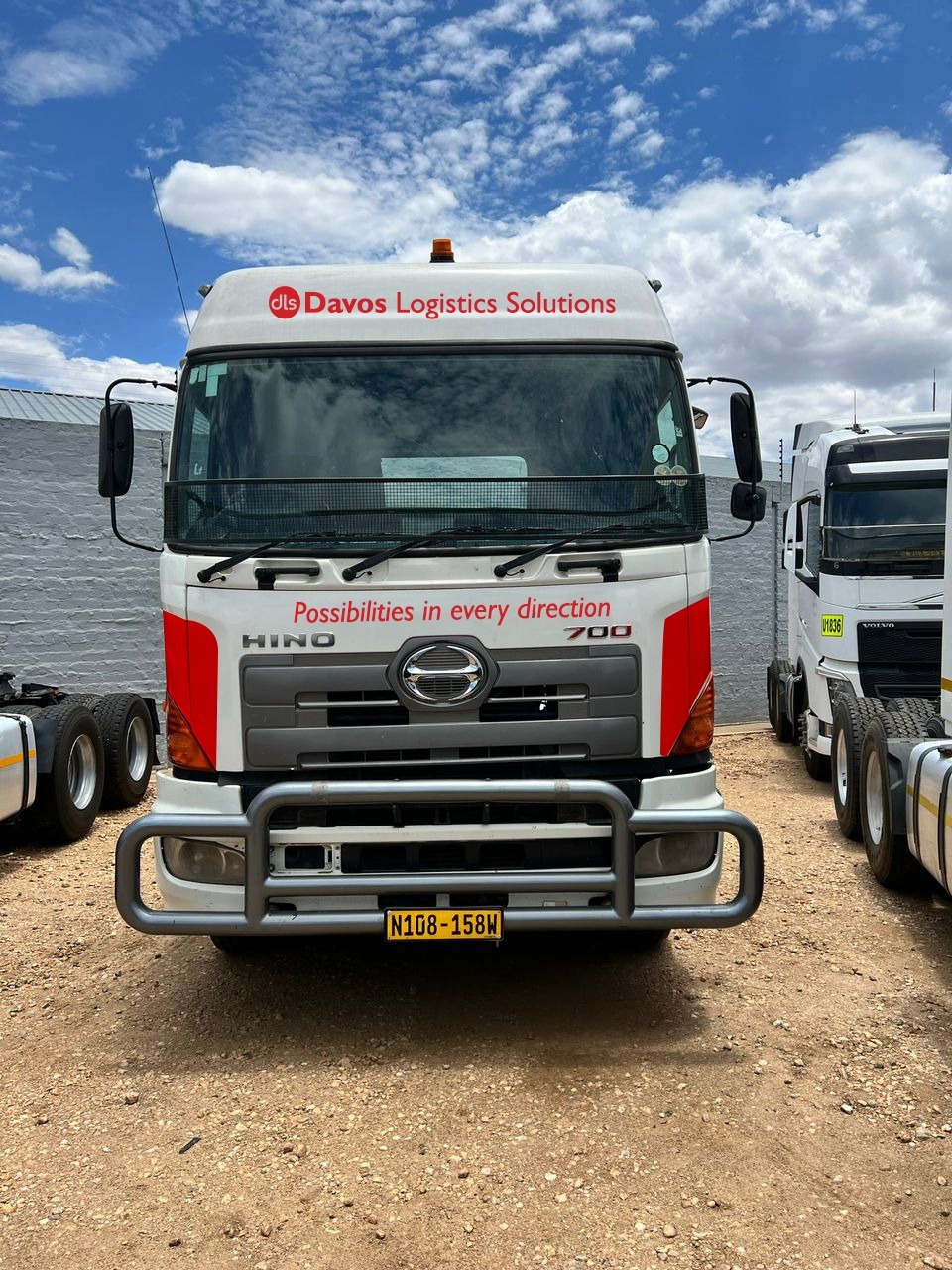
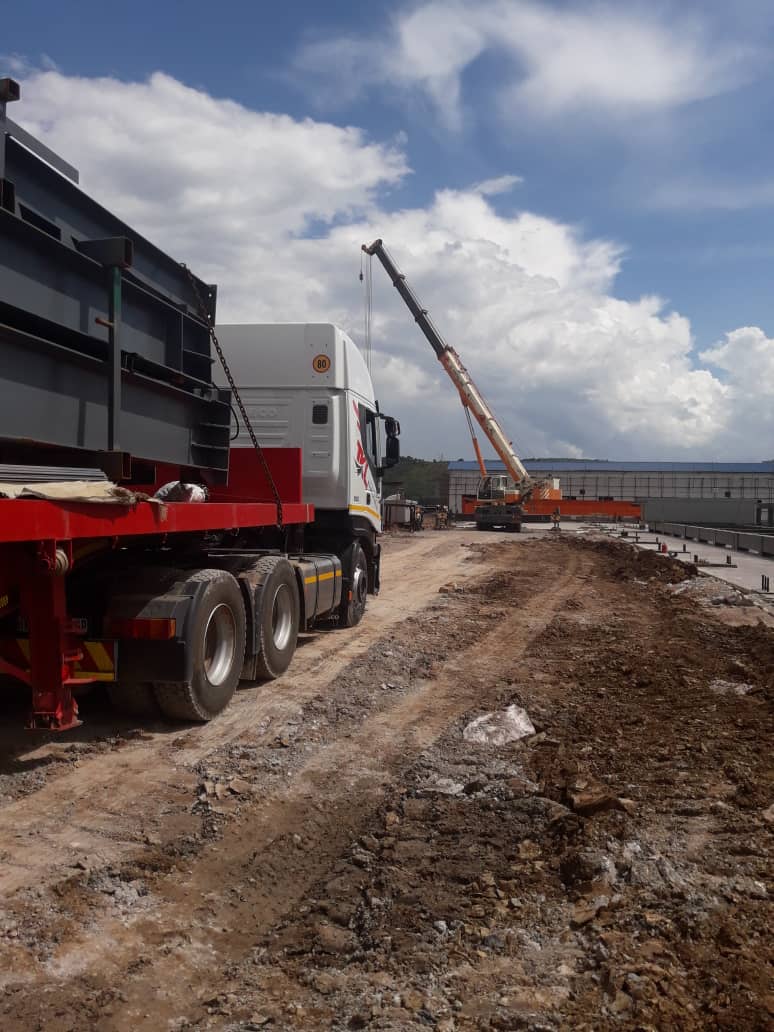
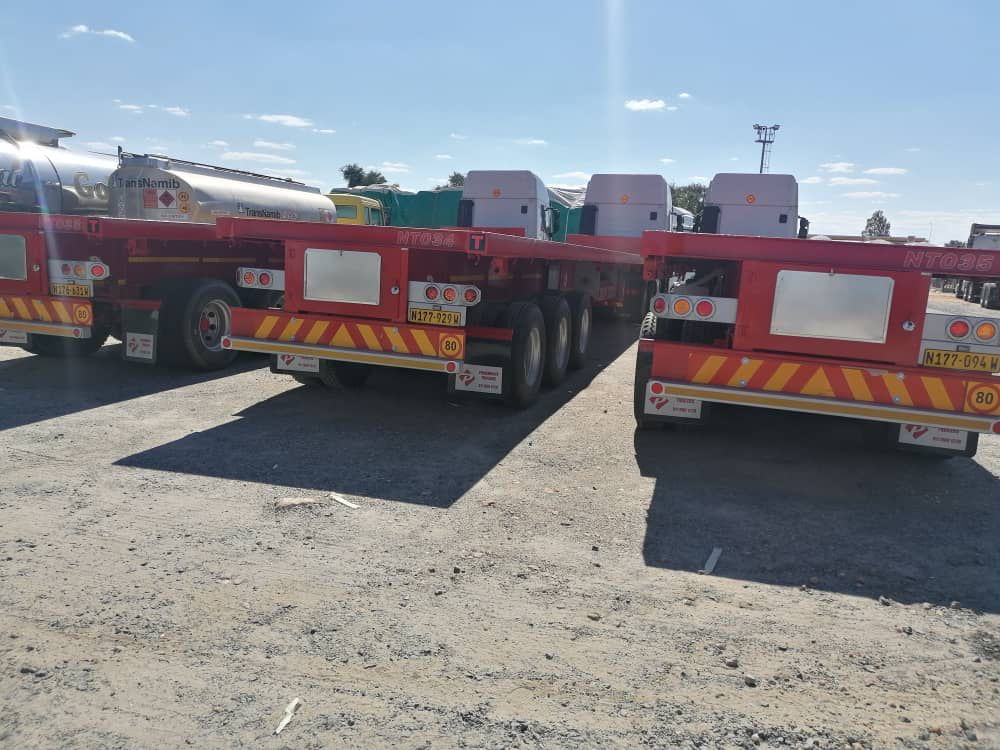
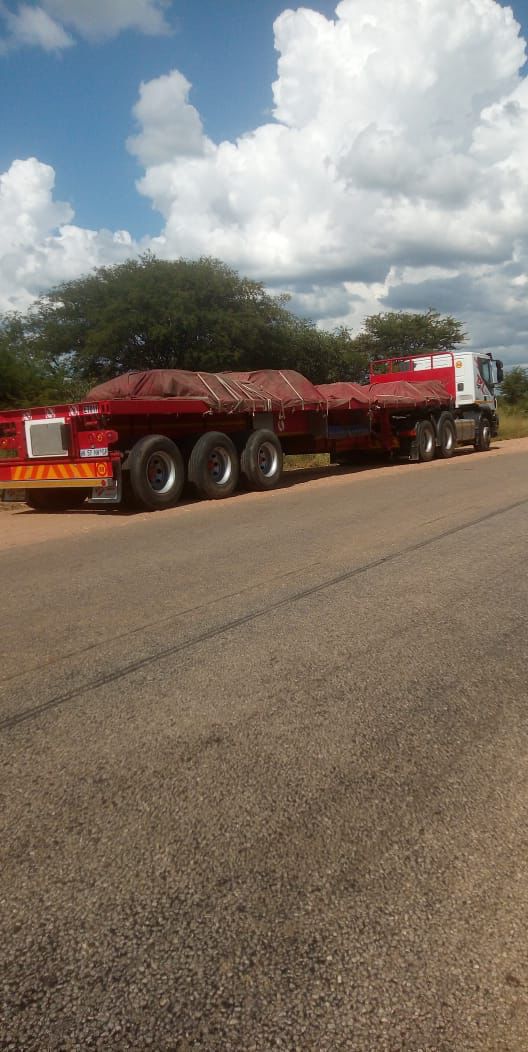
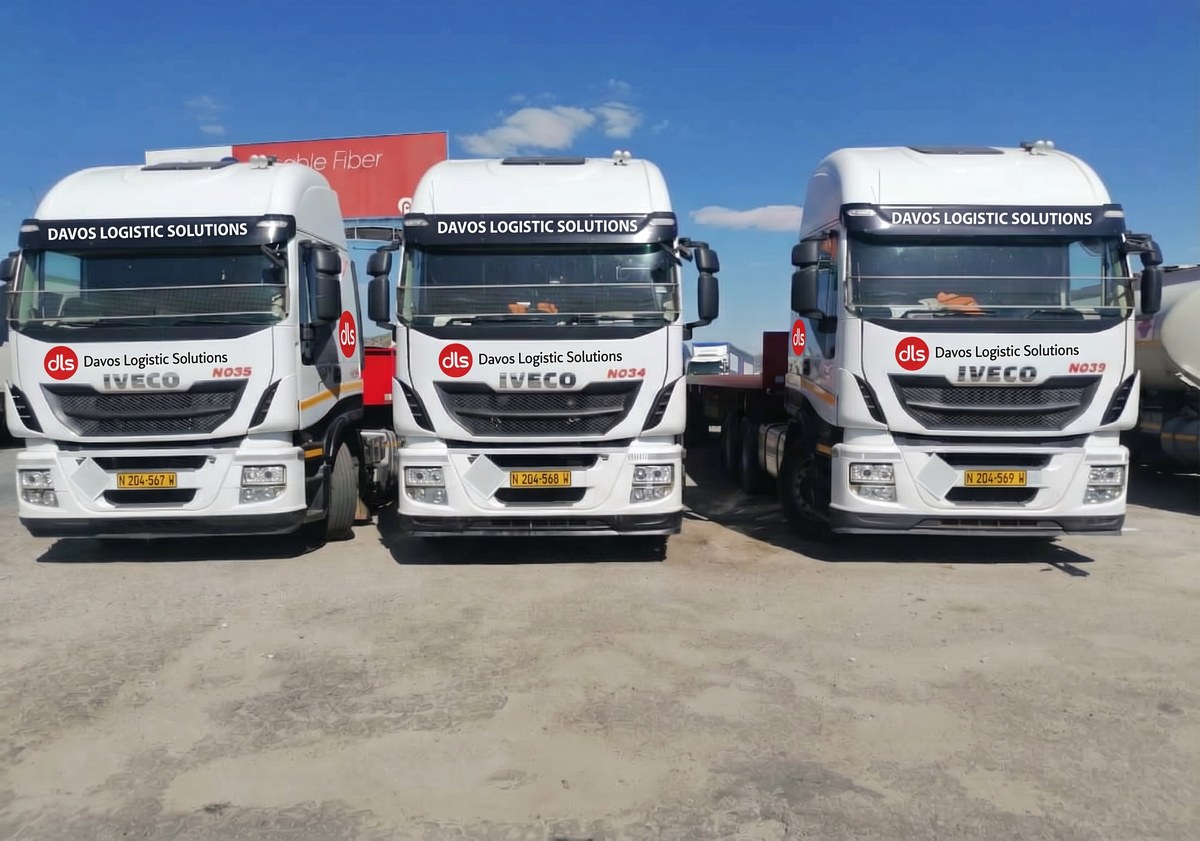
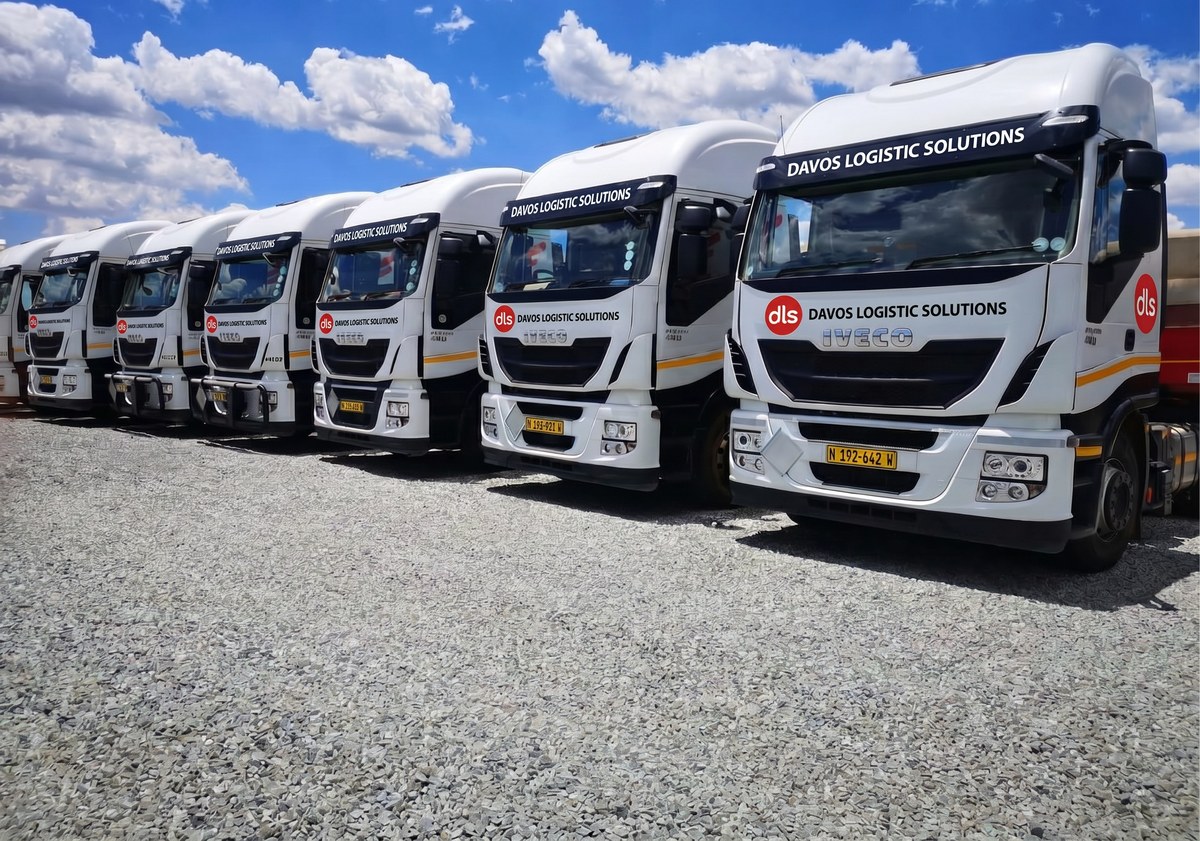
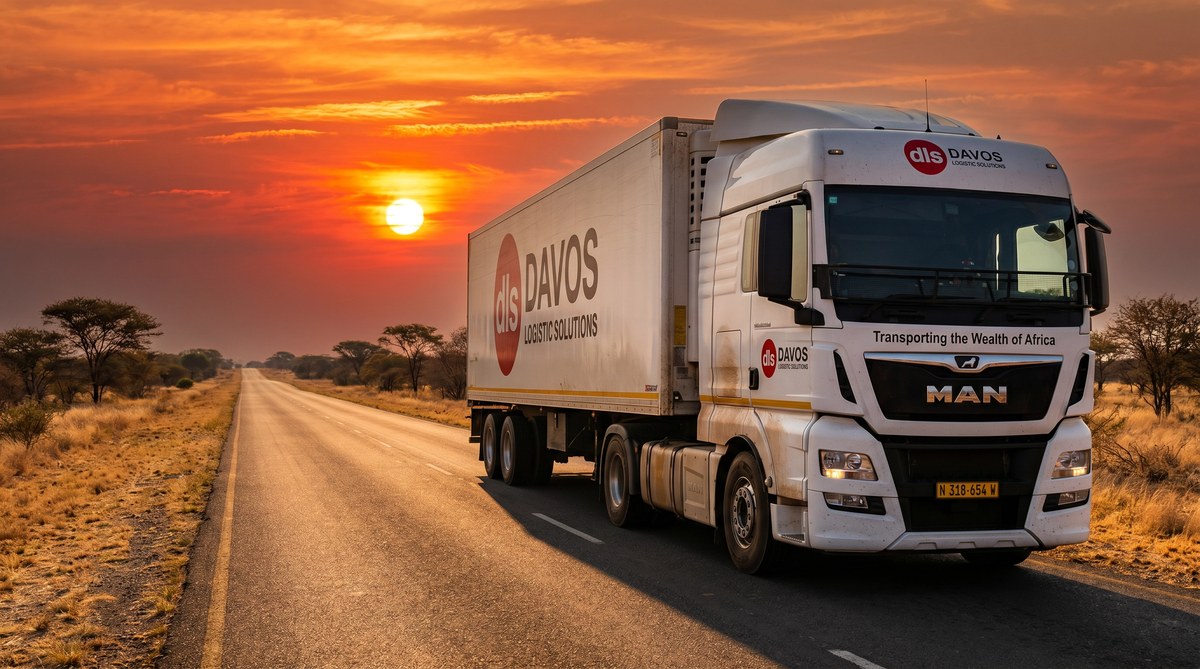
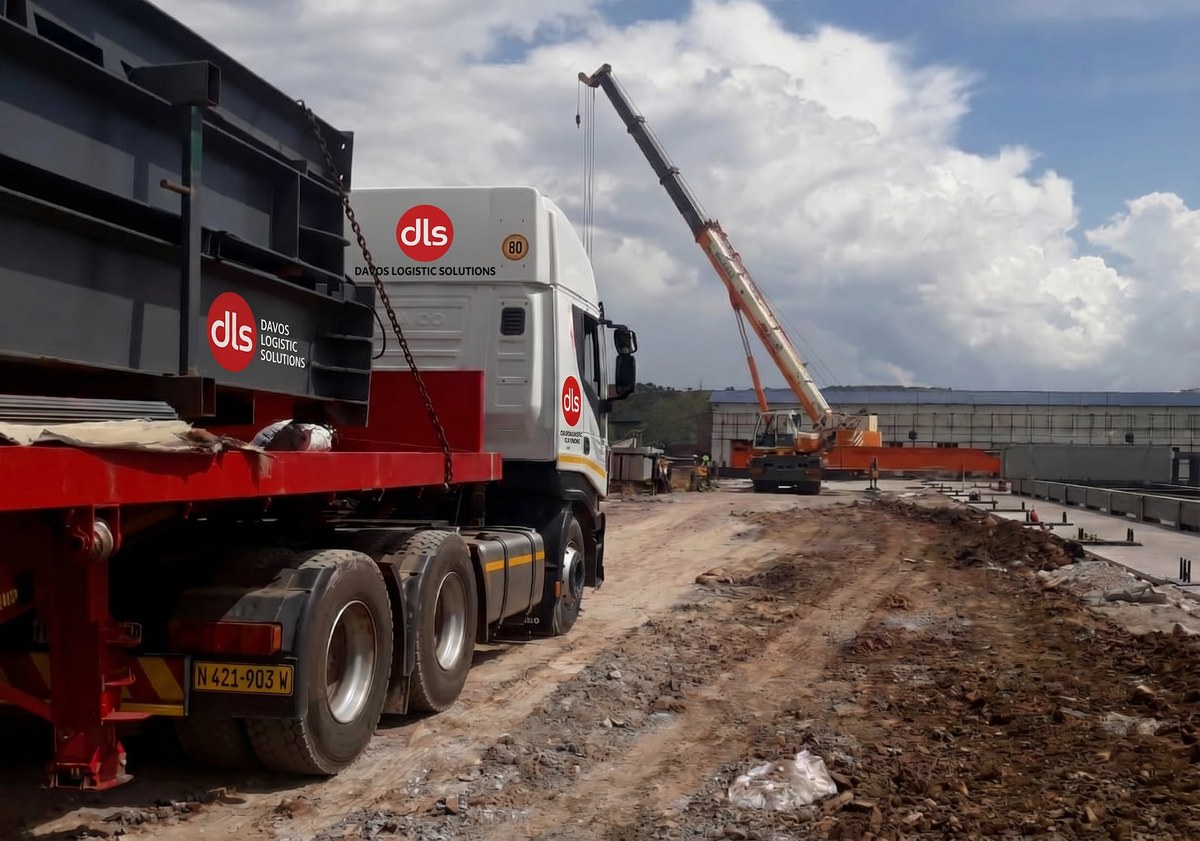
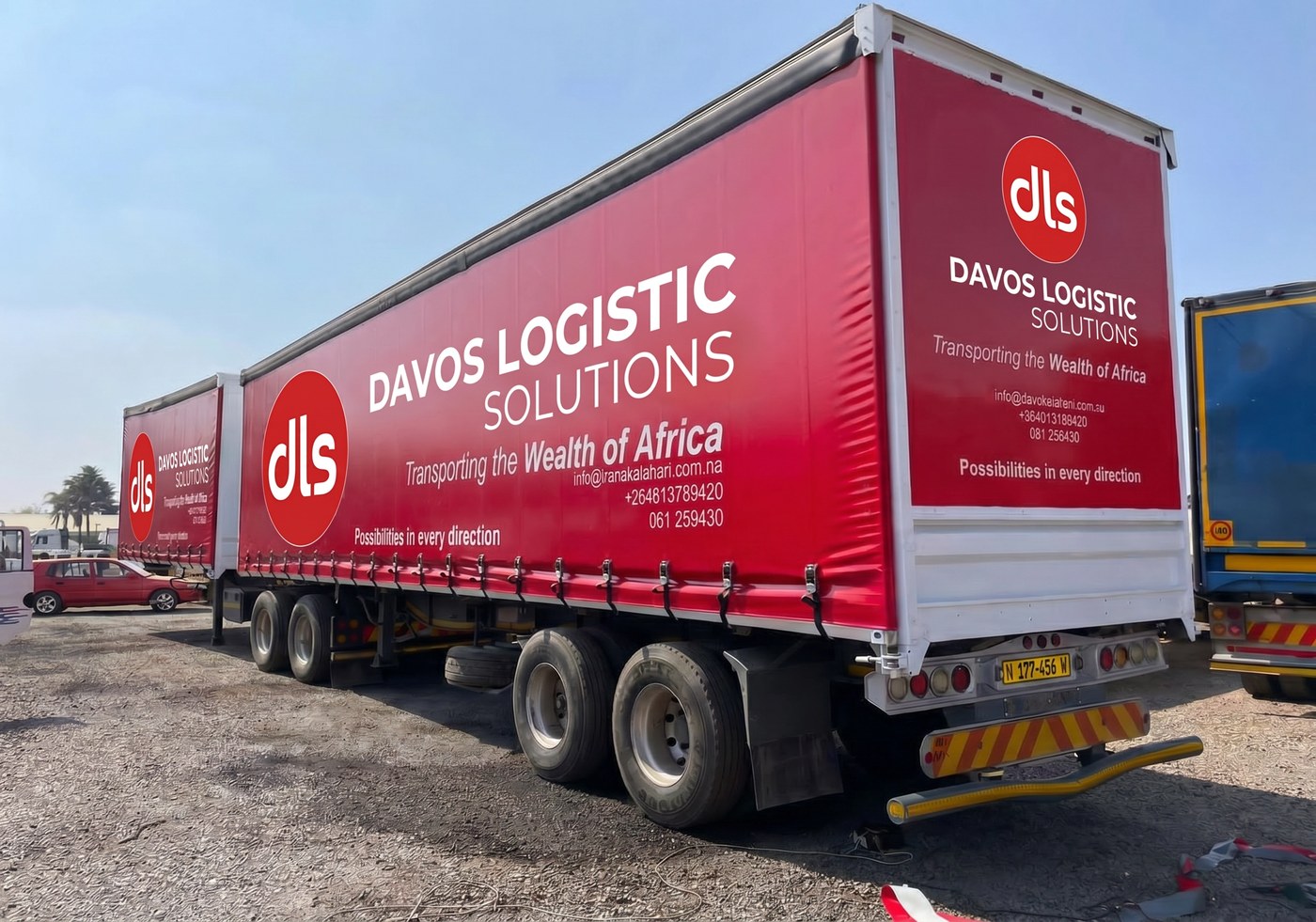
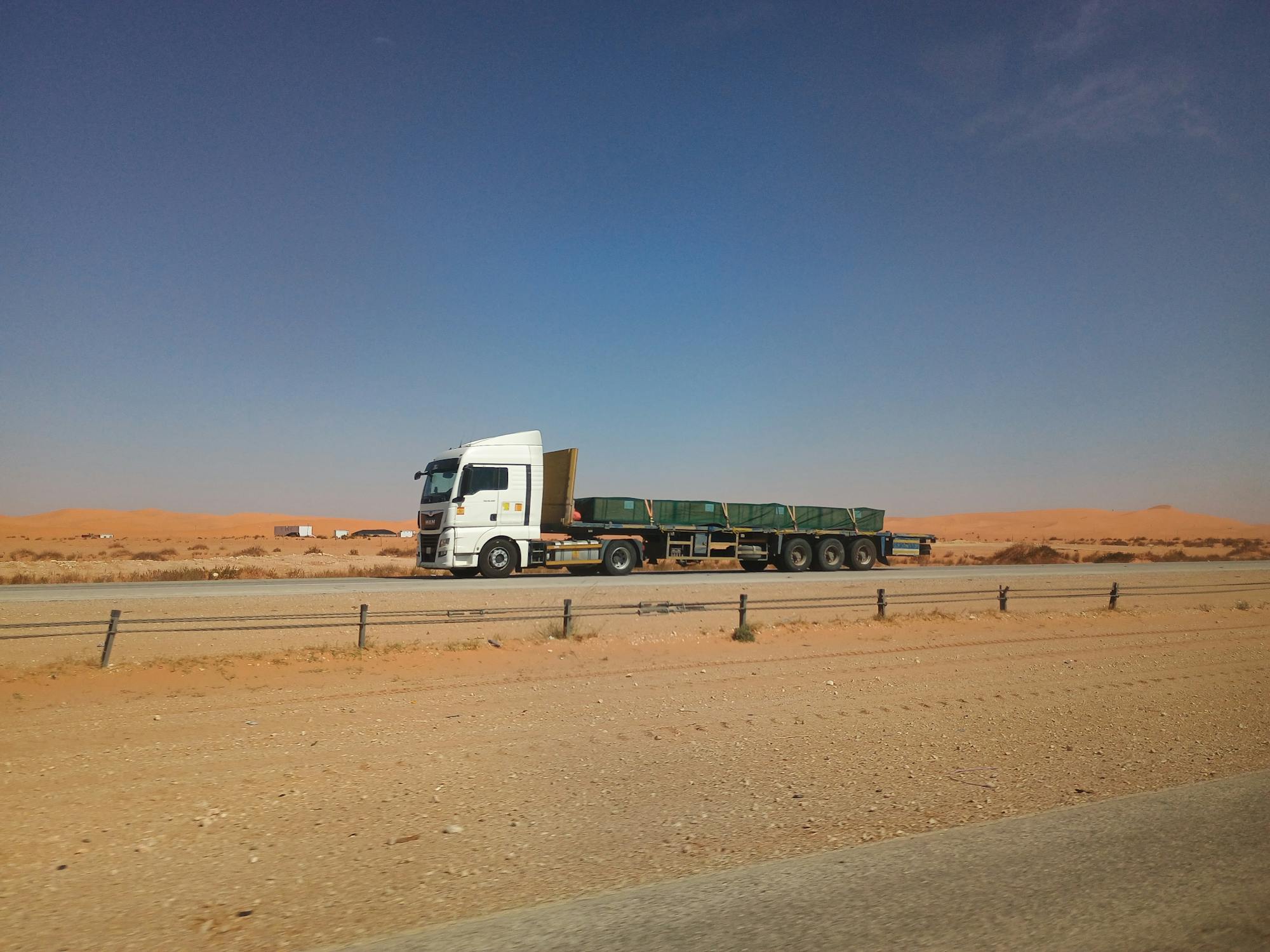
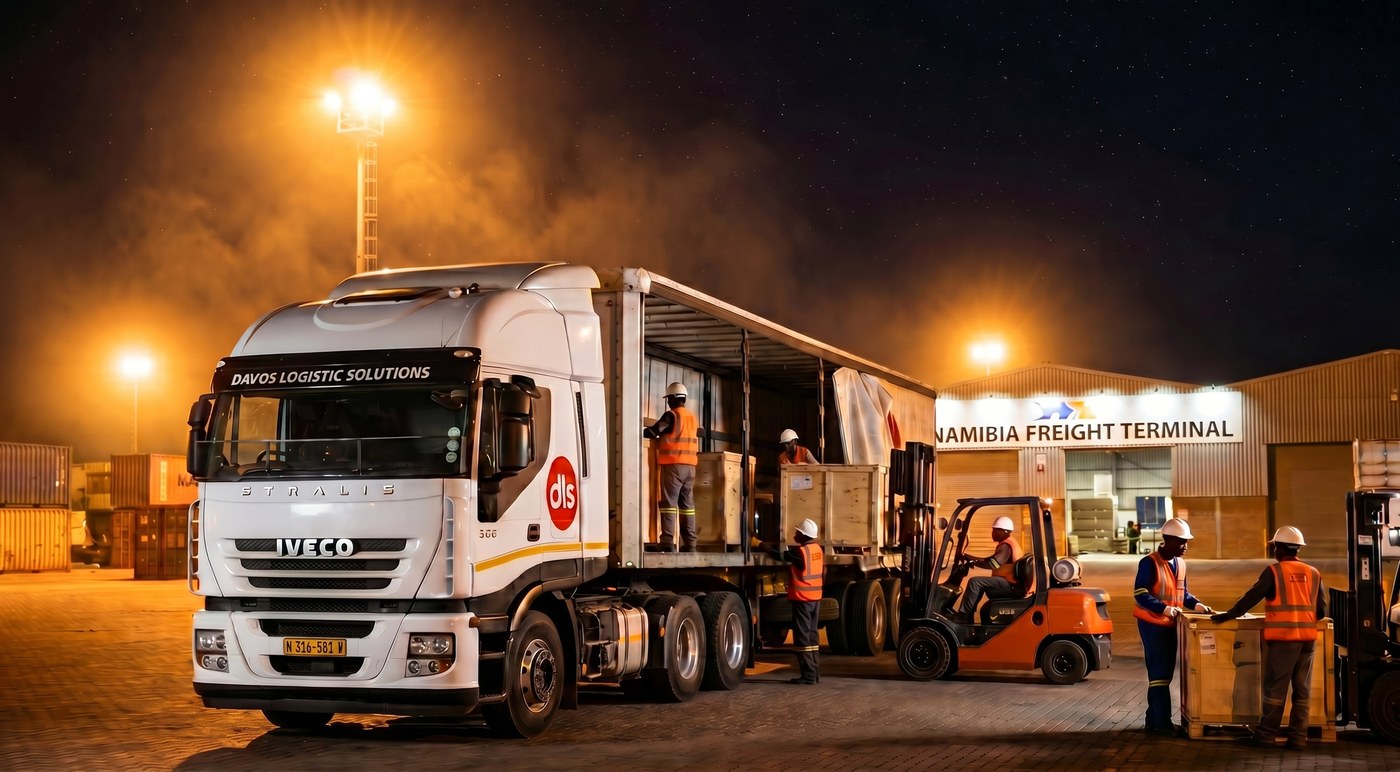
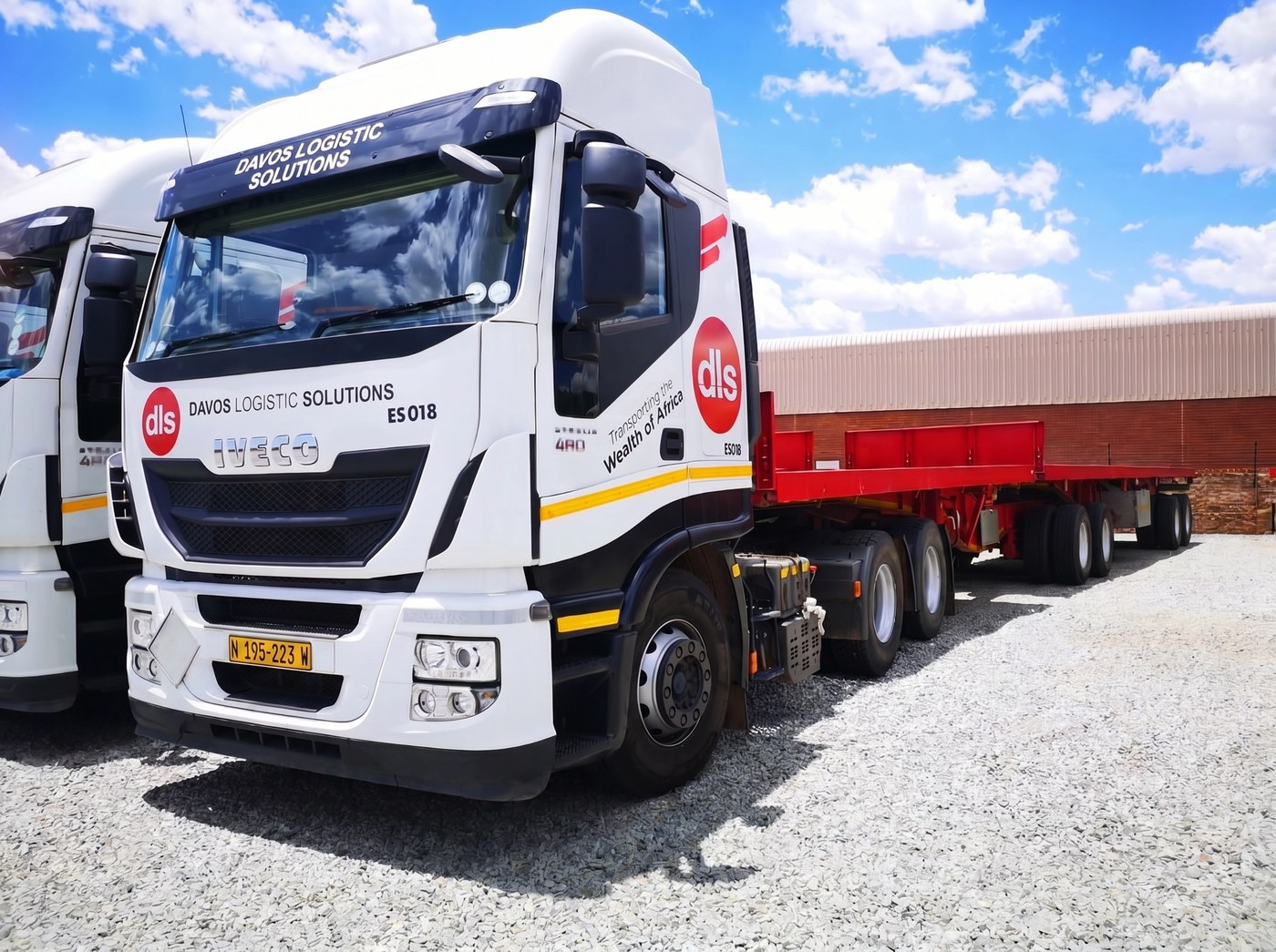
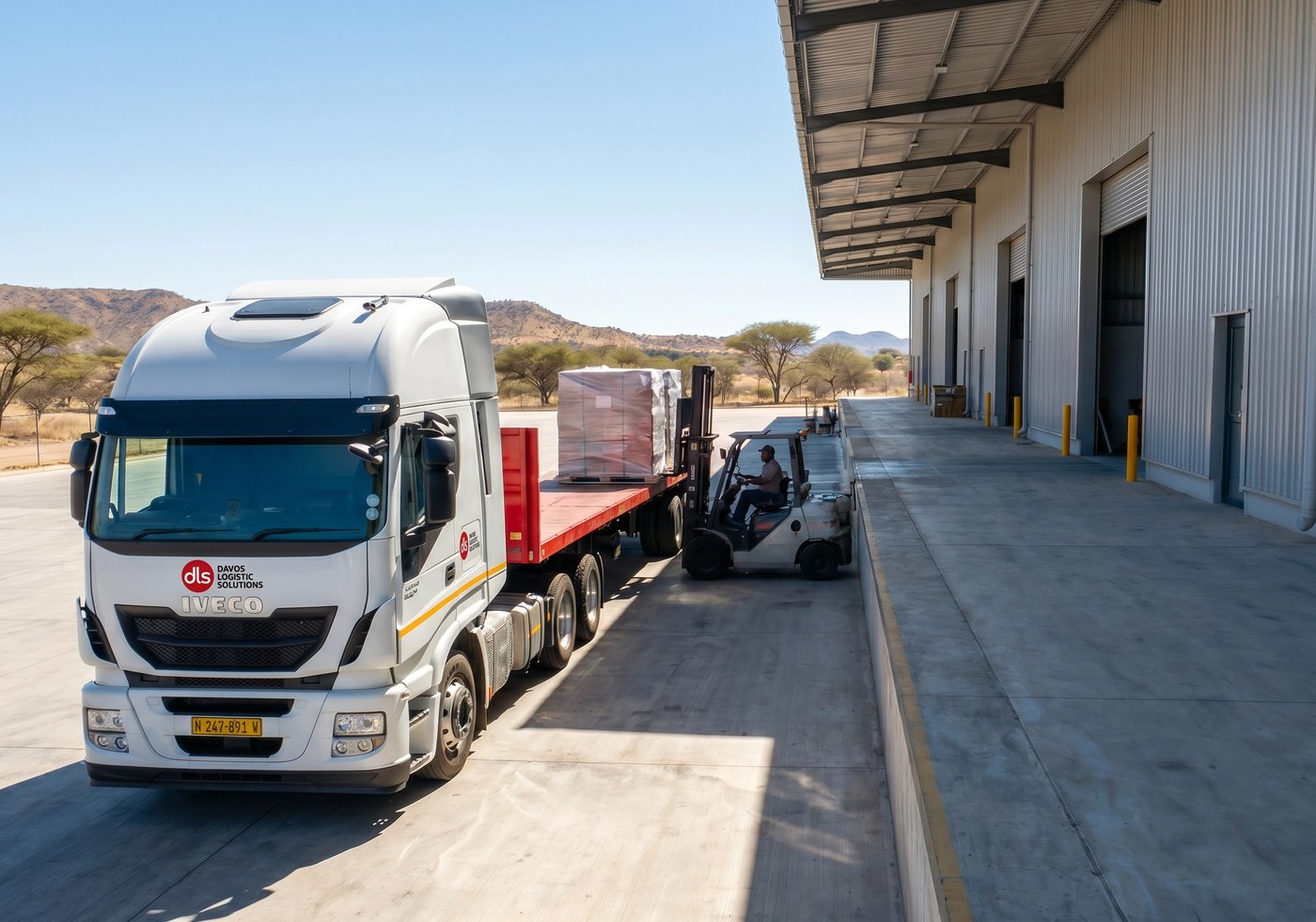
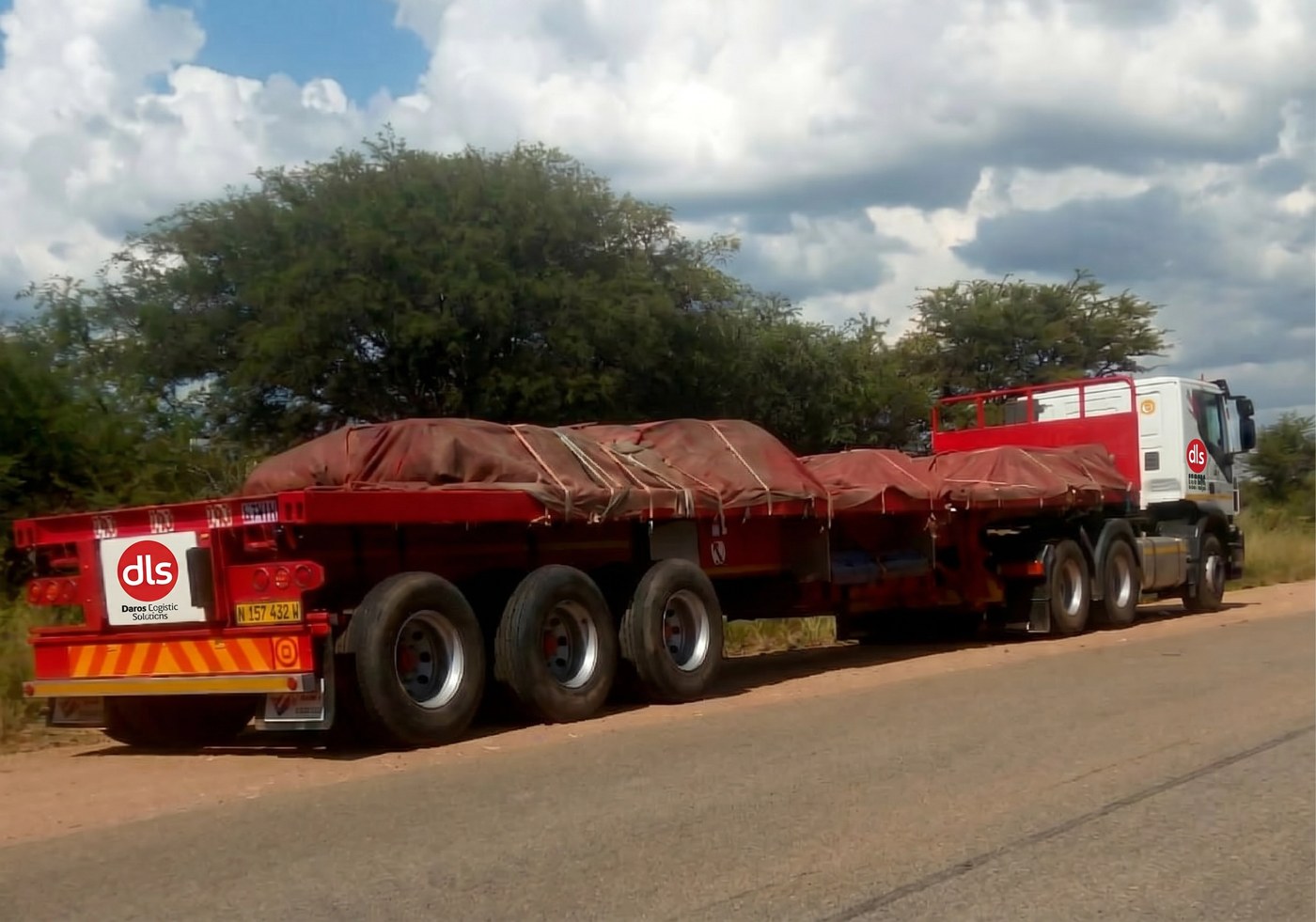
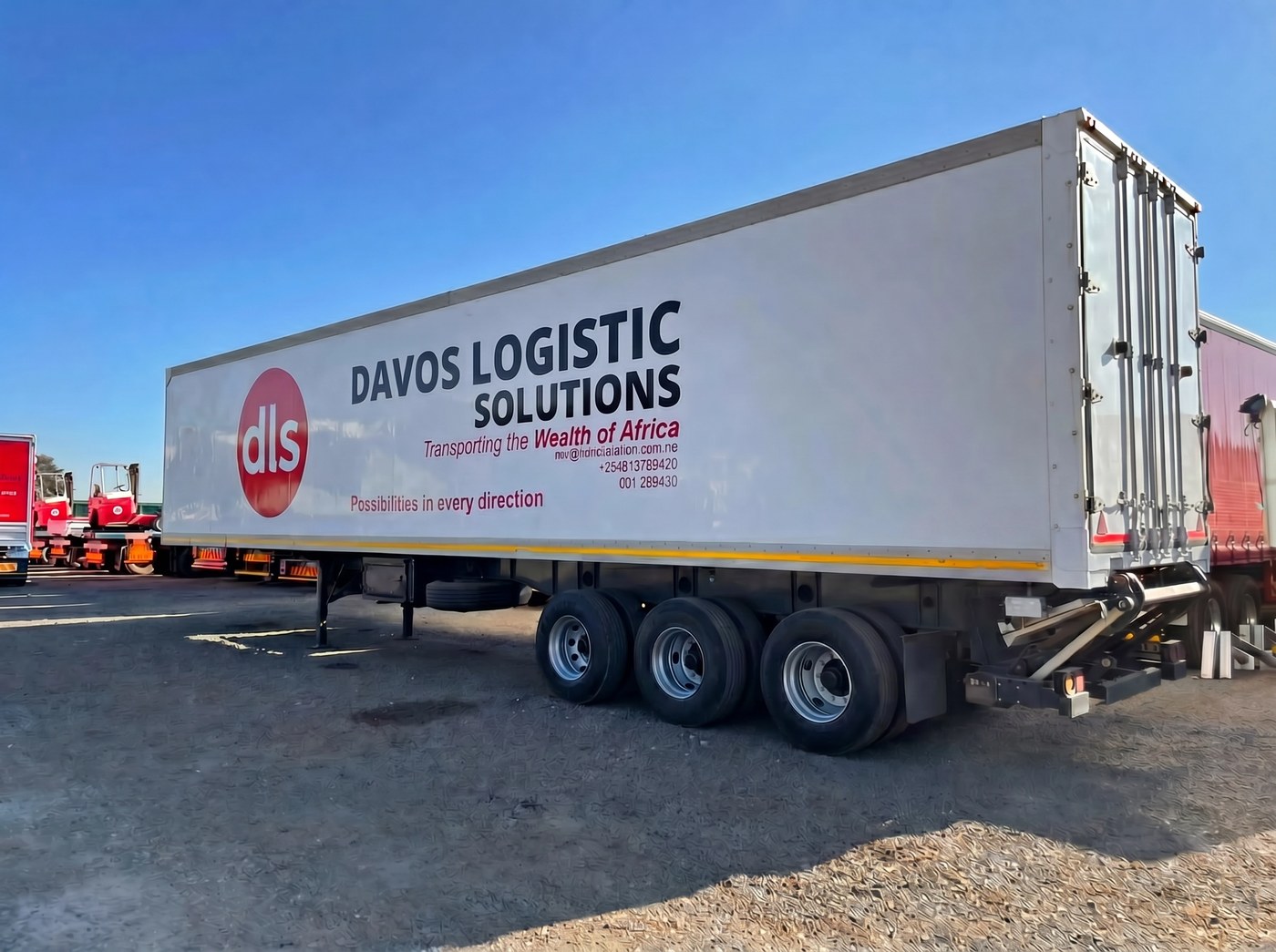
Davos Logistic Solutions operates the Walvis Bay to Copperbelt corridor with super-link flatbeds for copper cathode and concentrate southbound, and tautliners for mining reagents and project cargo northbound. The route is revenue generating in both directions. Backhaul capacity is built into how the fleet is allocated, not bolted on as an afterthought. The corridor is active, the transit is 12 days, the fleet is matched to the cargo. For most Zambian copper exporters reviewing the corridor question in 2026, those four facts are the starting point.
Operating on this corridor or thinking about it? Talk to the DLS team.
Get a Quote